Featured
The Main Principles Of Actual Stories from Debt Relief Us...
Fascination About How Much Bankruptcy Services Typically ...
What Does Recent Legislation Affecting Bankruptcy Procedu...

Not known Factual Statements About How APFSC Maintains Pr...
The 8-Second Trick For Prevalent False Beliefs Regarding The Financial Struggles Veterans Face After Service And How APFSC Is Changing Lives
Table of Contents
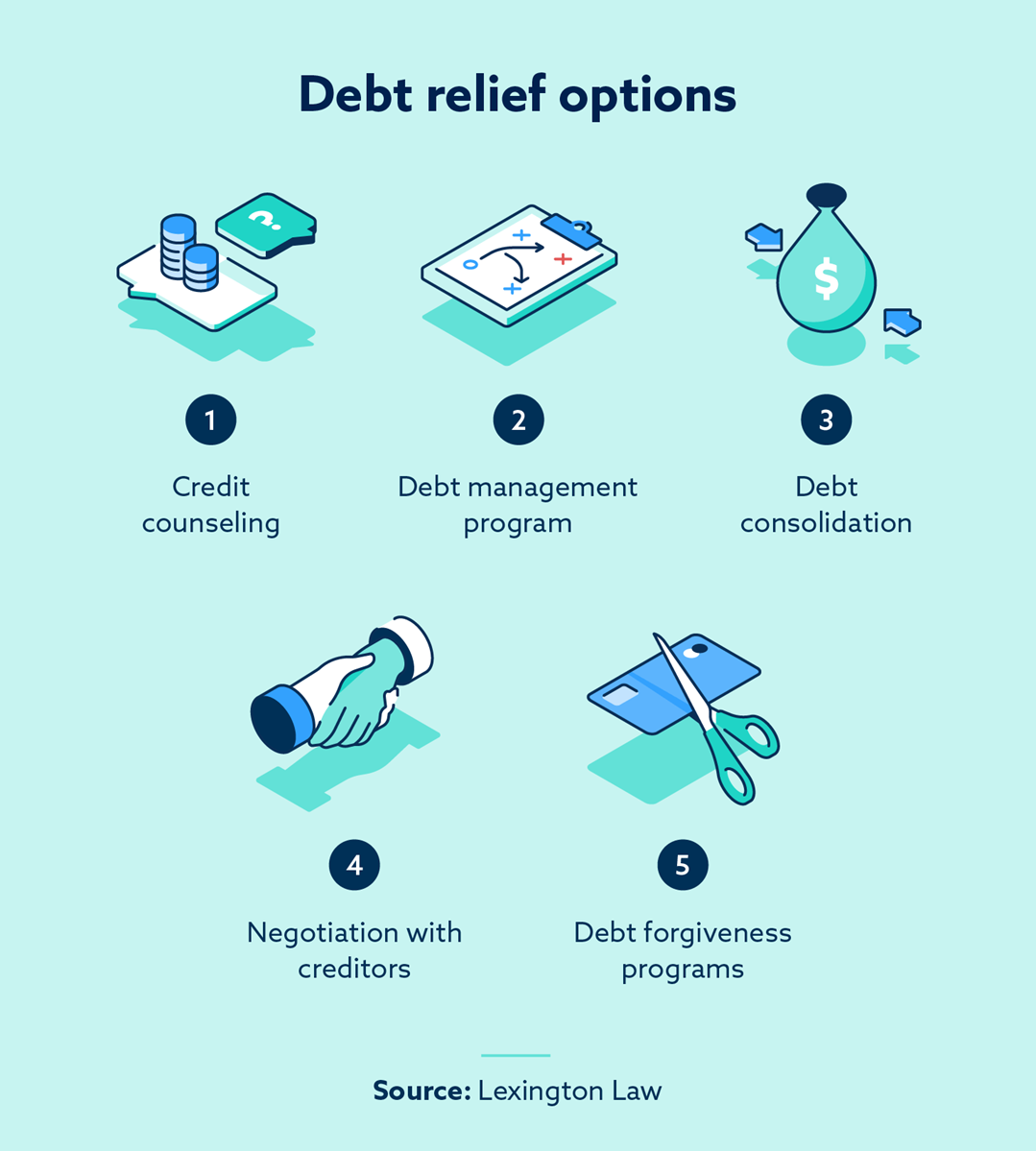
That liberates money in the short-term, and you might have three to four years to conserve toward the settlement quantity. Extremely unsafe to credit report, largely because of missed out on repayments and an unfavorable "settled" mark that could stay on your debt record for as much as seven yearsMay be just alternative if other choices (financial obligation consolidation, equilibrium transfer charge card, debt mercy) aren't possibleTypically requires a charge to the 3rd party, which might counter some or every one of the savings from financial obligation settlementMay aid you prevent bankruptcy if you have actually missed out on a number of paymentsNot all creditors function with financial obligation negotiation companies Financial debt mercy may be right for you if you are experiencing an economic hardship that makes it virtually impossible to pay for your debt balances.
With a DMP, you make one month-to-month payment to the debt counseling agency. Those funds are after that dispersed to financial institutions of your unsecured financial obligations, such as charge card and installment car loans. The agency deals with your financial institutions to reduce rate of interest or forgo costs, however some lenders might refuse such concessions.
It can assist you pay down financial debt if you're able to safeguard a loan rate that's lower than the average rate of the accounts you're consolidating. You should refrain from racking up debt on those newly gotten rid of accounts or your debt might grow even greater.
These cards commonly use a 0% interest introductory period of up to 21 months. That offers you a lot of time to remove or considerably lower your balance while making interest-free settlements. For some individuals facing impossible financial obligation, bankruptcy may be the only way to quit collection proceedings and lawfully settle their debts.
Not known Details About Regulatory Considerations in Bankruptcy Proceedings
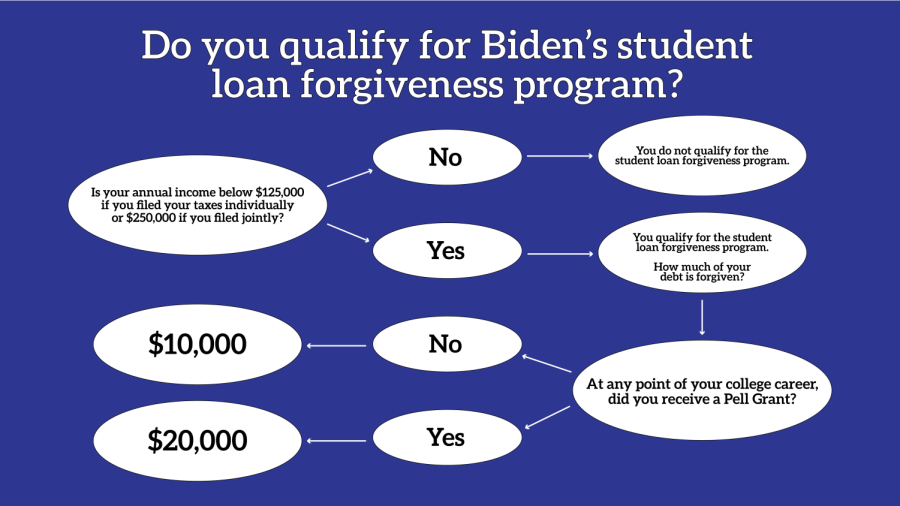
You might need it if your creditor or a debt collector ever tries to gather on the financial obligation in the future. The letter can verify you do not owe what the collection company's documents reveal. Yes, for the most part, the IRS takes into consideration forgiven financial obligation as taxed revenue. When a lending institution forgives $600 or more, they are needed to send you Type 1099-C.
Debt forgiveness or negotiation usually injures your credit history. Anytime you clear up a debt for less than you owe, it may appear as "worked out" on your debt record and impact your credit rating for seven years from the date of settlement. Your credit history can likewise go down significantly in the months resulting in the mercy if you fall back on repayments.
Creating Your Route to Freedom Things To Know Before You Get This
Tax obligation financial obligation compromise programs Tax obligation financial obligation occurs when the quantity of tax obligations you owe surpasses what you have paid. This circumstance often arises from underreporting income, not submitting returns promptly, or inconsistencies discovered throughout an IRS audit. The effects of building up tax debt are major and can include tax liens, which give the IRS a legal claim to your property as safety and security for the financial obligation.
Wages and Bank Accounts Internal revenue service can levy (confiscate) wages and bank accounts to satisfy the financial debt. Residential property Seizure In severe situations, the IRS can seize and sell property to cover the debt.
Depression, stress and anxiety, and other mental health and wellness problems. Social Preconception Encountering legal activity from the internal revenue service can bring social preconception. Damages to reputation and partnerships. Employment Opportunities A bad credit report due to tax financial obligation can limit employment possibility. Difficulty finding or maintaining a work. Federal government Benefits Tax financial obligation might affect qualification for federal government benefits, such as Social Security and Medicaid.
The Future for Bankruptcy Counseling and Debtor Protections for Dummies
The OIC considers a number of aspects, consisting of the taxpayer's revenue, expenditures, asset equity, and capability to pay. Effectively bargaining an OIC can be complicated, requiring an extensive understanding of the IRS's guidelines and a solid argument for why your offer straightens with your capacity to pay. It is necessary to keep in mind that not all applications are accepted, and the process needs comprehensive economic disclosure.
The internal revenue service analyzes your overall monetary situation, including your revenue, expenditures, asset equity, and capability to pay. You should additionally be present with all filing and settlement demands and not remain in an open bankruptcy case. The internal revenue service likewise considers your compliance history, examining whether you have a document of prompt declaring and paying taxes in previous years.
Establishing a Stable Budget That Lasts for Beginners
The application process for a Deal in Compromise entails numerous in-depth actions. You must finish and send Internal revenue service Kind 656, the Deal in Concession application, and Form 433-A (OIC), a collection info declaration for individuals. These forms need detailed economic information, including information regarding your revenue, debts, expenditures, and properties.
Back taxes, which are unsettled tax obligations from previous years, can considerably raise your total internal revenue service debt otherwise addressed immediately. This financial obligation can accumulate passion and late payment penalties, making the initial quantity owed much bigger with time. Failing to repay tax obligations can result in the IRS taking enforcement actions, such as releasing a tax lien or levy against your building.
It is necessary to address back tax obligations asap, either by paying the total owed or by setting up a layaway plan with the IRS. By taking positive steps, you can prevent the build-up of additional passion and charges, and protect against more aggressive collection activities by the internal revenue service.
One common factor is the idea that the taxpayer can pay the full quantity either as a swelling sum or through a repayment plan. The internal revenue service additionally thinks about the taxpayer's earnings, costs, property equity, and future earning potential. If these factors suggest that the taxpayer can manage to pay greater than the offered quantity, the IRS is most likely to turn down the offer.
Not known Facts About Necessary Paperwork When Pursuing Bankruptcy Counseling
Dealing with IRS financial obligation can be complicated and complicated. Tax obligation specialists, such as CPAs, tax obligation attorneys, or signed up agents, can offer important help.

Table of Contents
Latest Posts
The Main Principles Of Actual Stories from Debt Relief Users
Fascination About How Much Bankruptcy Services Typically Charge

What Does Recent Legislation Affecting Bankruptcy Procedures Do?
More
Latest Posts
The Main Principles Of Actual Stories from Debt Relief Users
Fascination About How Much Bankruptcy Services Typically Charge
What Does Recent Legislation Affecting Bankruptcy Procedures Do?